
 FREE SHIPPING ON ORDERS OVER €50 FOR GREECE AND CYPRUS
 TELEPHONE ORDERS: +30 2611814670 & +30 6931313919




07.04.2026 | NEWS
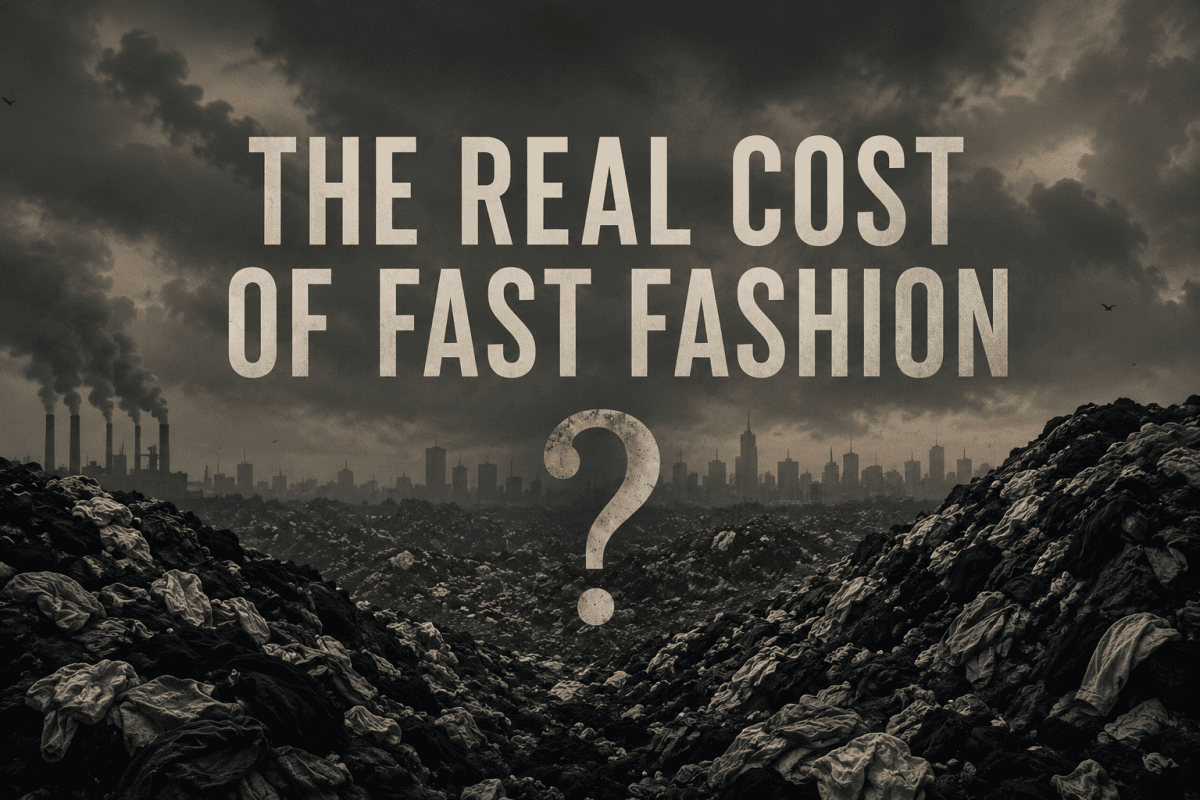
The Real Cost Of Fast Fashion
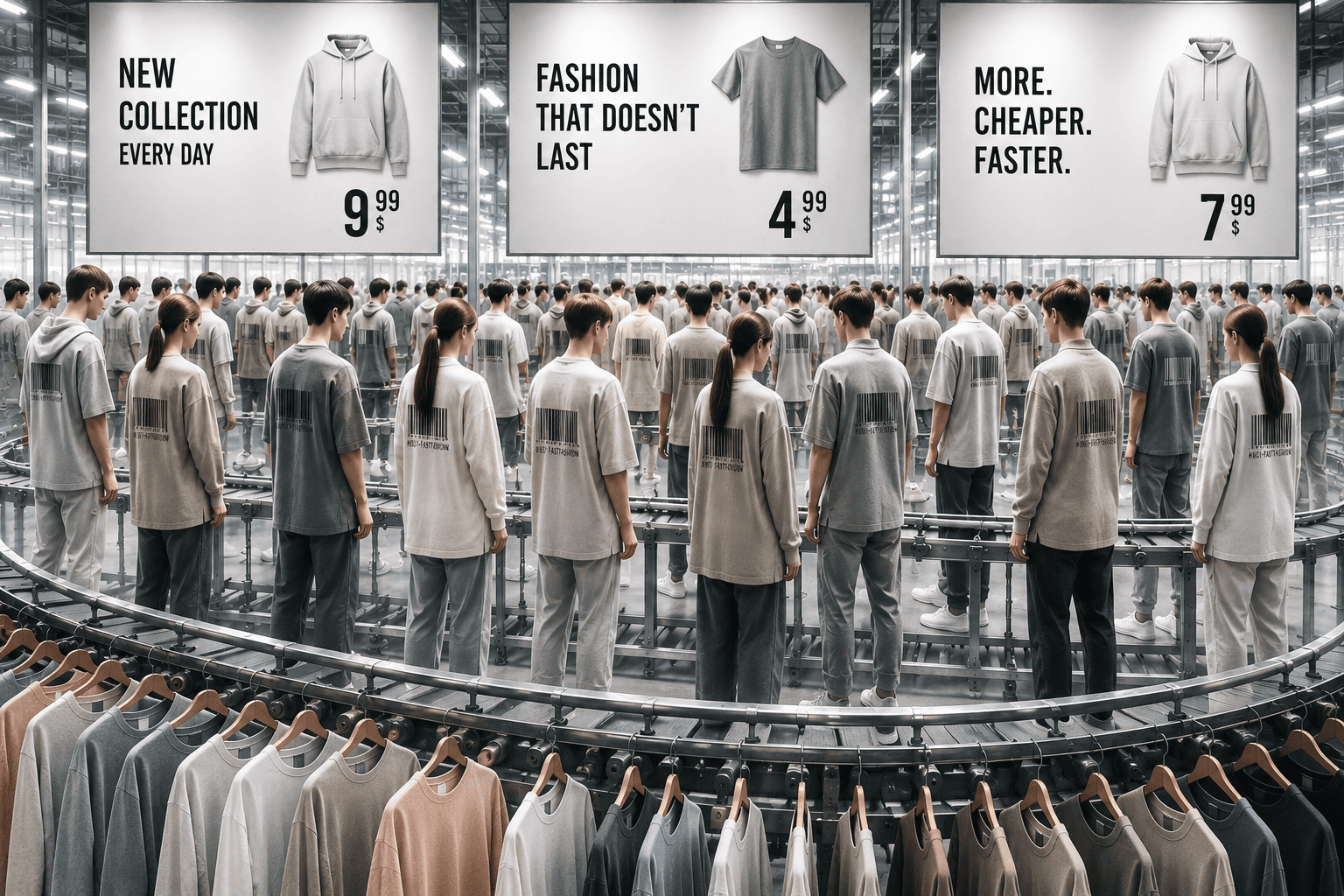
Behind cheap prices and endless trends lies a system of overproduction with massive environmental and human consequences.
Fast fashion may look cheap at checkout.
But its real cost goes far beyond the low price of a t-shirt or hoodie.
Every year, the fashion industry creates enormous environmental and economic damage across the world.
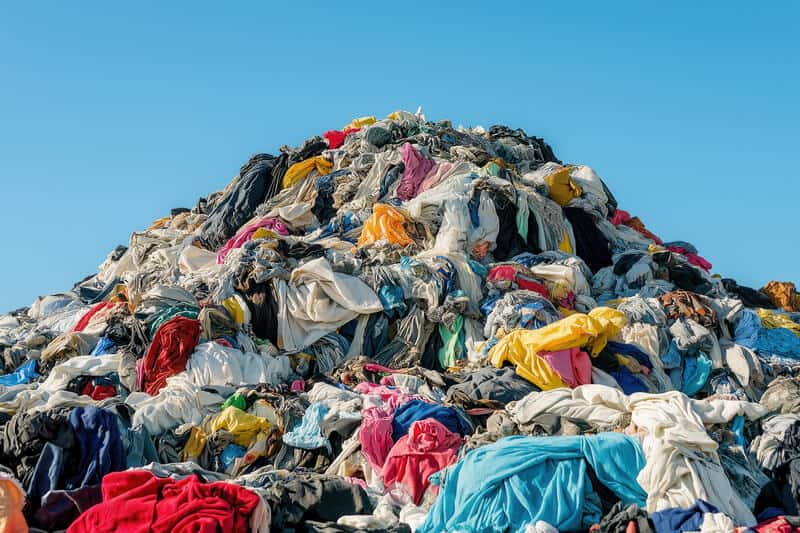
It is estimated that more than 400 billion dollars are lost every year through clothing that is thrown away, never recycled or massively overproduced without lasting value.
At the same time, the fashion industry is responsible for nearly 10% of global carbon emissions, while millions of tons of clothing end up in landfills and incinerators every single year.
A truck full of clothes is dumped or burned almost every second.
Behind endless trends and ultra-low prices lies a culture of overproduction and overconsumption that directly impacts the planet.
But the cost is not only environmental.
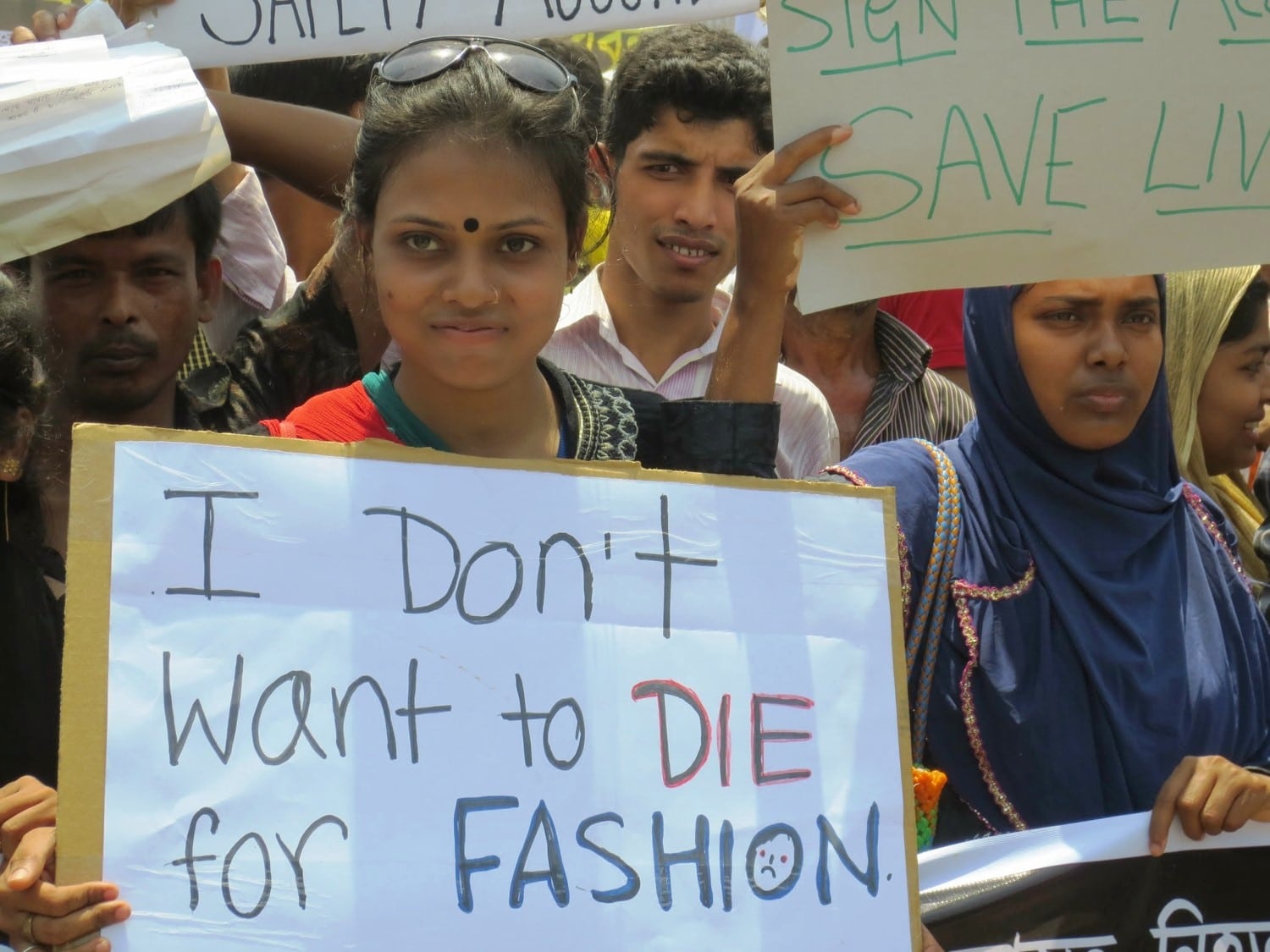
Thousands of garment workers around the world work under difficult and often dangerous conditions to maintain the constant production of cheap clothing.
The collapse of Rana Plaza in Bangladesh, where more than 1,100 people lost their lives, became one of the darkest symbols of the fast fashion industry.
A new generation is beginning to look at fashion differently.
Vintage and second hand fashion are returning not only because of style, but also as a reaction against a system built around waste and disposable consumption.
Real fashion should not destroy the environment in order to exist.
It needs quality.
It needs character.
It needs longevity.
Maybe the future of fashion is not about producing more clothes.
Maybe it is about producing better ones.
Discover timeless vintage fashion at REWEAR.
But its real cost goes far beyond the low price of a t-shirt or hoodie.
Every year, the fashion industry creates enormous environmental and economic damage across the world.
It is estimated that more than 400 billion dollars are lost every year through clothing that is thrown away, never recycled or massively overproduced without lasting value.
At the same time, the fashion industry is responsible for nearly 10% of global carbon emissions, while millions of tons of clothing end up in landfills and incinerators every single year.
A truck full of clothes is dumped or burned almost every second.
Behind endless trends and ultra-low prices lies a culture of overproduction and overconsumption that directly impacts the planet.
But the cost is not only environmental.
Thousands of garment workers around the world work under difficult and often dangerous conditions to maintain the constant production of cheap clothing.
The collapse of Rana Plaza in Bangladesh, where more than 1,100 people lost their lives, became one of the darkest symbols of the fast fashion industry.
A new generation is beginning to look at fashion differently.
Vintage and second hand fashion are returning not only because of style, but also as a reaction against a system built around waste and disposable consumption.
Real fashion should not destroy the environment in order to exist.
It needs quality.
It needs character.
It needs longevity.
Maybe the future of fashion is not about producing more clothes.
Maybe it is about producing better ones.
Discover timeless vintage fashion at REWEAR.

IMMEDIATE SHIPPING
RECEIVED IN 2-5 DAYS

TELEPHONE SUPPORT
MONDAY-FRIDAY 08:00-15:00

PAY ON DELIVERY
APPLIES ONLY TO GREECE AND CYPRUS
IMMEDIATE SHIPPING
RECEIVED IN 2-5 DAYS
TELEPHONE SUPPORT
MONDAY-FRIDAY 08:00-15:00
PAY ON DELIVERY
APPLIES ONLY TO GREECE AND CYPRUS